University of Pennsylvania: A Deep Dive into One of America’s Premier Institutions
The University of Pennsylvania (commonly referred to as Penn or UPenn) is more than just an Ivy League university—it’s a hub of innovation, a beacon of academic excellence, and a community grounded in service and leadership. Established by Benjamin Franklin in 1740, Penn has spent centuries redefining what higher education should look like—bold, interdisciplinary, inclusive, and engaged with the real world. With its strong historical roots and forward-thinking ethos, Penn continues to influence global education, research, and policy at the highest levels.
From the very beginning, Penn broke the mold. It was one of the first academic institutions in colonial America to focus on educating citizens not just for religious life, but for leadership in commerce, science, public service, and governance. Franklin’s pragmatic vision—of an education that prepared individuals to make real contributions to society—still pulses through the university’s DNA today. It’s a school where ideas are meant to be tested, where disciplines intersect, and where learning is inseparable from action.
Over nearly three centuries, the University of Pennsylvania has grown from a modest colonial college into a global powerhouse for research, education, and public engagement. It is home to world-class faculty, groundbreaking research centers, and some of the most respected professional schools in the world, including the Wharton School of Business, the Perelman School of Medicine, and the Penn Carey Law School. These institutions—alongside a dynamic liberal arts core—make Penn a place where students don’t just study history and theory, but also contribute to the advancement of knowledge in real time.
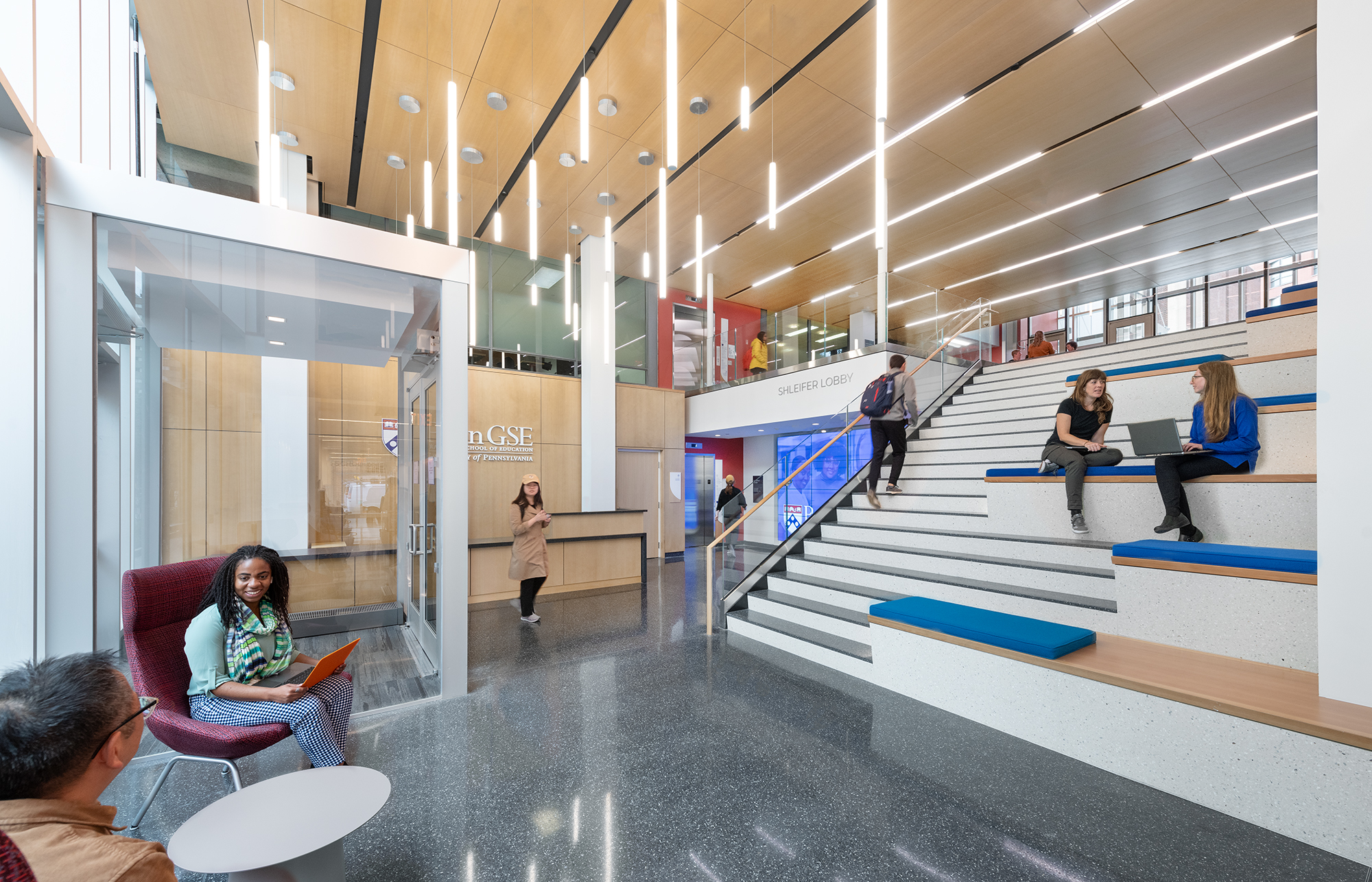
Today, Penn serves more than 23,000 students from across the United States and over 100 countries, offering a rich academic environment that is as intellectually rigorous as it is globally inclusive. The university’s sprawling, urban campus in West Philadelphia blends historical architecture with cutting-edge research facilities, reflecting a constant interplay between tradition and innovation. But what truly sets Penn apart is its culture—a culture driven by curiosity, collaboration, and a deep commitment to service. Whether through civic partnerships, community clinics, entrepreneurial ventures, or global research initiatives, Penn students and faculty are continuously working to solve real-world problems and drive meaningful progress.
In every sense, Penn is not just preparing students for the future—it’s helping to build it. The university’s blend of academic excellence, social purpose, and entrepreneurial spirit makes it one of the most influential institutions in the world, and one that continues to define what higher education can—and should—be in the 21st century.
A Visionary Beginning Inspired by Benjamin Franklin
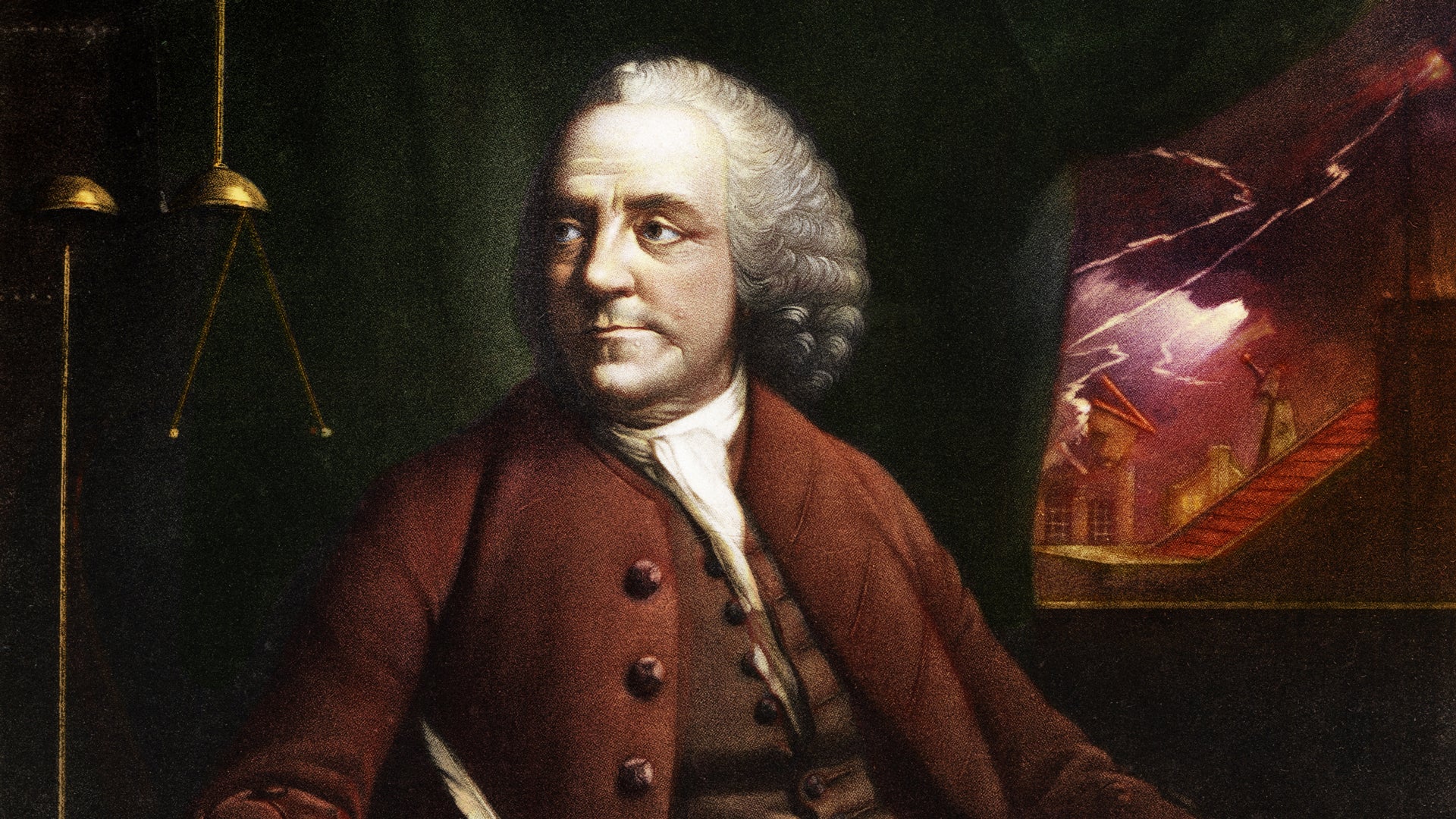
What makes Penn’s founding unique is that it wasn’t established by religious leaders or royal charter—it was the vision of a scientist, inventor, and civic leader: Benjamin Franklin. Franklin’s idea of education went beyond theology and classics; he wanted a school that prepared young people for leadership in business, government, and civic life. This radical concept laid the groundwork for Penn’s lasting dedication to practical knowledge, public service, and innovation across disciplines.
Unlike most colonial-era colleges, Penn was created with an eye toward inclusivity and usefulness. Its original curriculum included commerce, public speaking, and science—subjects that reflected the needs of a growing and ambitious America. That same commitment to relevance and adaptability still defines Penn today.
A Robust and Interdisciplinary Academic Structure
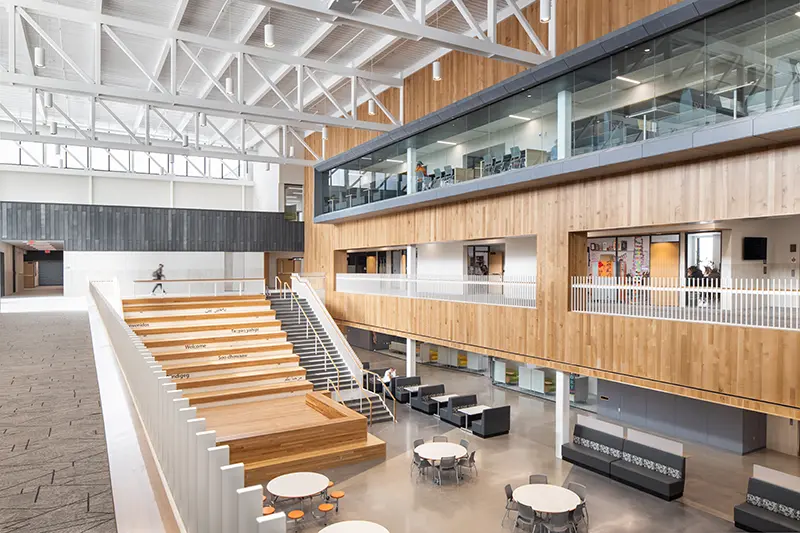
Penn is organized into twelve distinct schools, four of which serve undergraduates: the College of Arts and Sciences, the Wharton School, the School of Nursing, and the School of Engineering and Applied Science. Graduate and professional studies are housed in eight additional schools, including the prestigious Perelman School of Medicine and the Penn Law School.
One of Penn’s most distinctive features is its encouragement of cross-school collaboration. Students are able—and often encouraged—to design interdisciplinary pathways that combine fields like business and technology, public health and education, or political science and urban planning. This freedom makes Penn a leader in boundary-breaking education.
A Campus That Balances History and Innovation

Situated in the University City district of West Philadelphia, Penn’s 299-acre campus is both historic and modern. You’ll find ivy-covered buildings like College Hall standing alongside sleek, glass-walled research facilities and innovation labs. This architectural blend mirrors Penn’s dual identity—proud of its traditions, yet always looking ahead.
The central pedestrian artery of campus, Locust Walk, buzzes with student activity. From here, students can access residential colleges, libraries, restaurants, wellness centers, and some of the finest academic buildings in the country. The campus layout fosters both intellectual engagement and community interaction, offering students a cohesive college experience in the heart of a major city.
A Global Leader in Research and Discovery

Penn’s research impact is massive. As a top recipient of federal research grants, the university is involved in pioneering work in medicine, engineering, business, and the social sciences. Faculty and students are driving innovation in areas such as CRISPR gene editing, artificial intelligence, climate science, and vaccine development.
The Pennovation Center and the Pennovation Works campus provide physical spaces for entrepreneurship and tech development, turning ideas into real-world products and companies. These centers serve as incubators where startups flourish and students get hands-on experience launching innovations that matter.
A Diverse and Vibrant Student Community

Penn is home to over 23,000 students from all 50 U.S. states and more than 100 countries. This diversity is one of the school’s greatest strengths, offering students an environment rich in cultural exchange, global perspectives, and open-minded dialogue. Whether you’re a first-generation college student, an international scholar, or a Philadelphia native, Penn provides a community where everyone can belong and thrive.
Outside the classroom, students take part in over 450 student organizations. From debate teams and robotics clubs to theater troupes and volunteer groups, Penn’s extracurricular life is expansive and inclusive. Athletics also play a major role—Penn competes in the NCAA Division I Ivy League and boasts a passionate fan base, especially for its basketball and rowing teams.
Deep Commitment to Social Impact and Civic Engagement

True to Franklin’s vision, Penn has long been a university of and for the people. It partners extensively with local Philadelphia schools, hospitals, and nonprofits to improve education, health, and economic conditions in the surrounding community. The Netter Center for Community Partnerships is a national model for how universities can work alongside cities to achieve long-term positive change.
Students are deeply involved in community service through coursework, internships, and volunteering. Penn integrates civic responsibility directly into its academic mission, helping students apply what they learn in ways that create tangible, meaningful impact.
World-Class Faculty and Mentorship
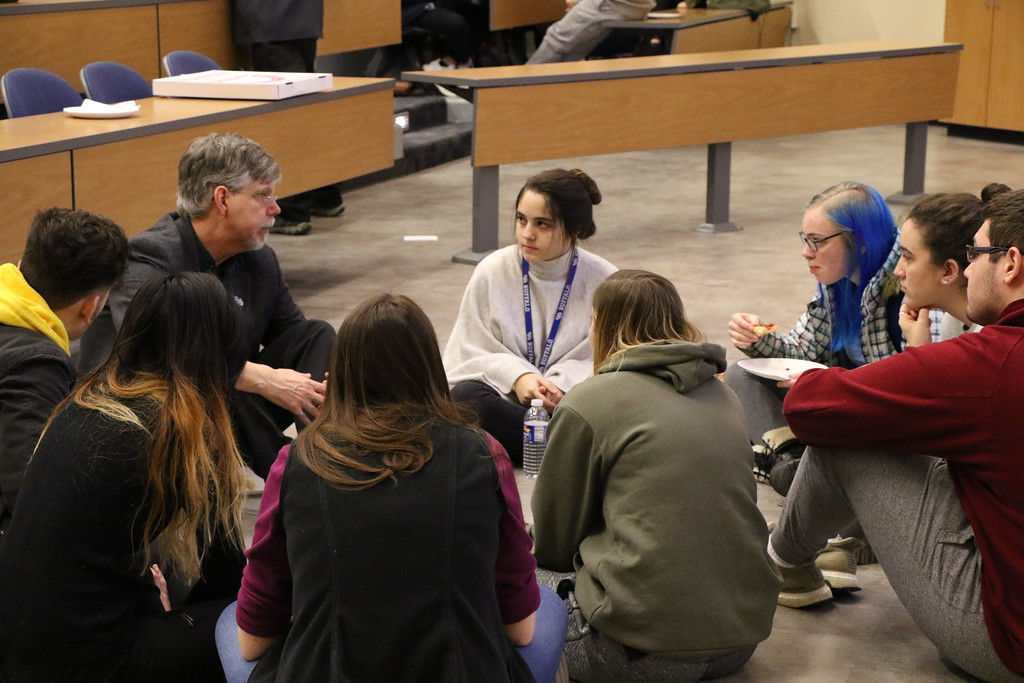
At the heart of Penn’s academic excellence is its faculty. The university boasts Nobel laureates, Pulitzer Prize winners, MacArthur Fellows, and National Medal of Science recipients. But these scholars aren’t locked away in labs or offices—they’re also in the classroom, mentoring undergraduates, leading seminars, and advising student research.
The faculty-to-student ratio allows for meaningful academic relationships. Students don’t just learn about breakthroughs—they learn from the people making them. This access to cutting-edge expertise and guidance is a cornerstone of the Penn experience.
Accessible Education and Financial Aid Commitment

Penn remains committed to making elite education accessible to all qualified students, regardless of their financial circumstances. For U.S. citizens and permanent residents, Penn practices need-blind admissions and meets 100% of demonstrated financial need through grant-based aid—meaning students do not have to take out loans as part of their aid packages.
Through the Penn First Plus initiative, the university offers additional academic, financial, and social support to first-generation and low-income students. This includes dedicated advisors, housing options, and peer mentoring programs to help every student succeed and feel at home on campus.
A Legendary Alumni Network Spanning the Globe

One of Penn’s most powerful assets is its alumni network. Penn alumni include U.S. Presidents, Supreme Court justices, tech billionaires, Nobel Prize winners, CEOs, artists, scientists, and social activists. Among its most famous are Elon Musk, Donald Trump, Warren Buffett (via Wharton executive education), Laurene Powell Jobs, and Noam Chomsky.
Graduates benefit from a lifelong connection to Penn. Alumni events, global chapters, mentorship programs, and networking platforms help students transition smoothly from college to career—and continue to grow long after they leave campus.
Arts, Culture, and Campus Life

Beyond academics, Penn nurtures the arts, wellness, and creativity. The Penn Museum, Institute of Contemporary Art, and Annenberg Center for Performing Arts offer top-tier cultural experiences right on campus. Student groups regularly organize film festivals, poetry readings, concerts, and open mic nights.
Wellness is also a priority. Penn provides comprehensive physical and mental health resources through Student Health and Counseling, along with wellness initiatives like mindfulness sessions, fitness classes, and stress-relief programs. The school understands that a healthy mind and body are essential to academic success.
Sustainability and Environmental Innovation

Penn is committed to environmental sustainability through its Climate and Sustainability Action Plan. The university aims to be climate neutral by 2042 and is making major investments in green infrastructure, sustainable dining, and energy-efficient technology.
Academic programs and student-led initiatives are deeply involved in addressing global environmental issues. From climate justice courses to clean-energy startups, sustainability is not just a side effort—it’s part of the university’s core identity.
A Global Perspective That Shapes Global Leaders

Penn students don’t just learn about the world—they engage with it. Through global research projects, internships, study abroad programs, and partnerships with international institutions, students gain the tools and experience needed to lead in a globalized society.
The Perry World House and Penn Global host events that bring international leaders, scholars, and policymakers to campus. These dialogues prepare students to understand complex global systems and to contribute meaningfully wherever their careers take them.
Entrepreneurship and Innovation at Every Corner

Penn’s culture of entrepreneurship is thriving. Students and faculty are constantly developing new ideas, launching companies, and seeking out venture funding. With spaces like Tangen Hall and support from Wharton’s Venture Lab, aspiring entrepreneurs at Penn have every resource they need to scale their vision.
From business plans to biotech prototypes, the entrepreneurial ecosystem at Penn is one of the most advanced among U.S. universities. It encourages not just invention, but leadership, agility, and bold thinking.
A Student Culture That Celebrates Balance

While Penn is academically intense, students work hard to maintain a balanced life. Social events, student traditions, and casual hangouts on Locust Walk contribute to a vibrant, energetic atmosphere. Events like Spring Fling, Hey Day, and the Penn Relays bring the community together in celebration.
The culture encourages both achievement and joy. Students are serious about their goals but also take time to explore, reflect, and build relationships that often last a lifetime.
FAQs About the University of Pennsylvania
Is the University of Pennsylvania an Ivy League school?
Yes, Penn is one of the eight Ivy League universities and is recognized globally for its academic excellence and historical significance.
What makes Penn unique compared to other Ivy League schools?
Penn’s emphasis on practical knowledge, interdisciplinary studies, and civic engagement sets it apart. Its founder Benjamin Franklin envisioned an education system rooted in real-world impact.
What is Penn known for academically?
Penn is especially known for business (Wharton), law, medicine (Perelman School of Medicine), and engineering. It also excels in the social sciences and humanities.
Does Penn offer financial aid?
Yes, Penn practices need-blind admissions for U.S. applicants and meets 100% of demonstrated financial need without requiring loans.
How diverse is the student population?
Penn has a highly diverse student body with a strong international presence and a deep commitment to inclusion through programs like Penn First Plus.
What is student life like at Penn?
Penn offers an active, balanced student life with hundreds of clubs, athletics, events, wellness programs, and access to a vibrant urban setting.
Does Penn support entrepreneurship?
Yes, extensively. Through innovation hubs, funding programs, mentorship, and Wharton’s resources, Penn is a leader in student entrepreneurship.
Conclusion: Why the University of Pennsylvania Continues to Lead
The University of Pennsylvania offers more than an Ivy League name—it delivers a transformative experience grounded in excellence, innovation, and purpose. From its revolutionary beginnings under Benjamin Franklin to its modern role as a global leader in research, service, and education, Penn is a place where students are empowered to think big, act boldly, and shape the world around them.
Whether you dream of launching a company, serving your community, conducting research, or leading a global organization, Penn equips you with the knowledge, network, and inspiration to get there. It’s not just a university—it’s a launchpad for your future.