University of Oregon: A Dynamic Blend of Academics, Innovation, and Oregon Spirit
The University of Oregon (UO), located in Eugene, is more than just a public research university—it’s a cornerstone of higher education and community engagement in the Pacific Northwest. Since its founding in 1876, UO has grown into a place where academic excellence, artistic expression, environmental stewardship, and civic responsibility intersect to create a uniquely vibrant educational experience. Drawing inspiration from its Oregon roots—from dense forests to the nearby Cascade Mountains—UO combines a spirit of innovation with a deep connection to regional culture, preparing students for global impact without losing a distinct sense of place. (University of Oregon, University of Oregon)
What makes the University of Oregon so distinct is not just its world-class academic programs or its commitment to research—it’s the way in which it infuses every aspect of campus life with the spirit of the region. Surrounded by towering evergreens, winding rivers, and the stunning peaks of the Cascade Mountains, the campus feels alive with possibility and purpose. This natural environment is more than just a backdrop; it plays a vital role in shaping how students think, learn, and engage with the world. Here, the land itself teaches—about sustainability, resilience, and connection.
From its earliest days, UO positioned itself as more than a college. It was conceived as a community center, a public good, and a catalyst for social transformation. Today, it continues that legacy through initiatives in sustainability, social justice, and civic engagement. It’s a place where students are encouraged to question boldly, think creatively, and act responsibly, whether they’re designing solutions for climate change, analyzing literature through a modern lens, or developing new technologies in cutting-edge research labs.
The university is also home to a dynamic and diverse student body. With over 24,000 students from all 50 U.S. states and more than 90 countries, the campus buzzes with cultural diversity, international perspectives, and shared ambition. These students come not just for degrees but for an experience that will challenge and shape them. They want to make a difference—and the University of Oregon equips them to do just that.
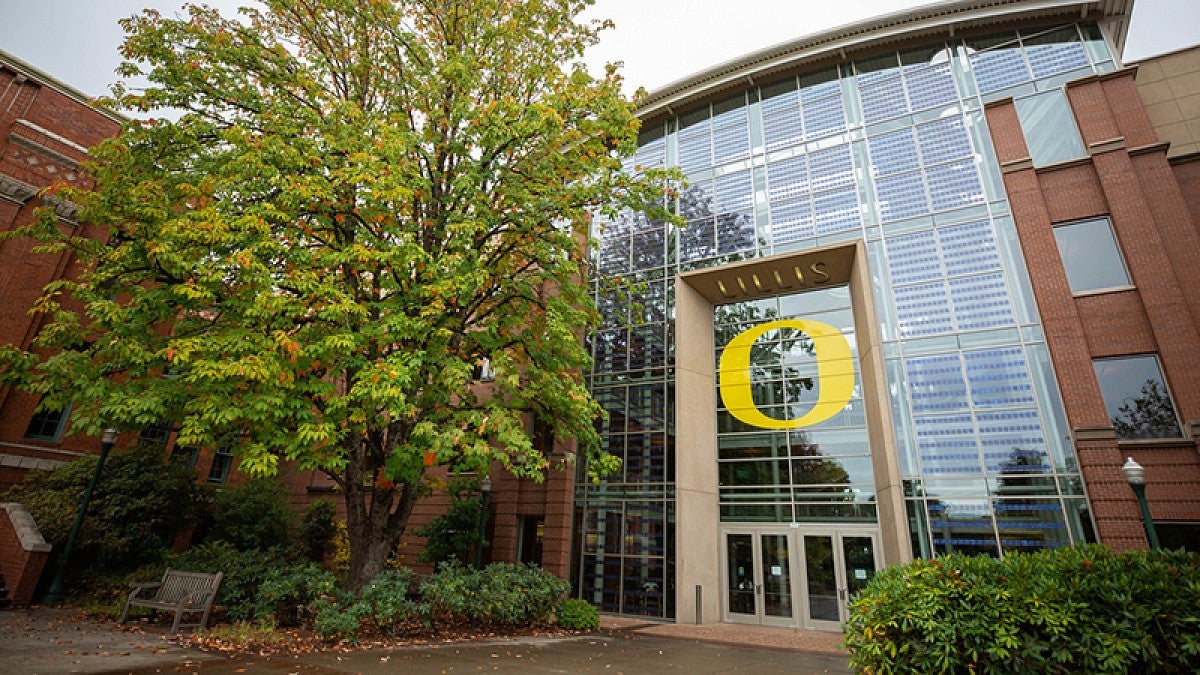
In every lecture hall, studio, lab, and outdoor classroom, UO fosters a learning environment that values collaboration over competition, creativity over conformity, and impact over accolades. It’s a school where science and art coexist, where activism is encouraged, and where the future isn’t just imagined—it’s built, step by step, with intention and care.
Whether you’re walking past the ivy-covered halls of Deady and Villard, attending a high-stakes football game at Autzen Stadium, exploring exhibits at the Jordan Schnitzer Museum of Art, or conducting ecological research along the Willamette River, one thing becomes clear: the University of Oregon is not just a place to study—it’s a place to grow. It’s a space where students become scholars, thinkers become leaders, and ideas become movements.
Mission, Vision, and Core Values: Knowledge in Service of Humanity
UO’s mission highlights its dual role as a research powerhouse and a public institution committed to service. The school emphasizes teaching, discovery, and outreach that benefit not just students, but also Oregon, the nation, and the world. Their vision is to serve as a preeminent, inventive research university covering humanities, arts, natural and social sciences, and professional disciplines. Values such as equity, sustainability, and inclusivity are embedded in campus culture—driving policy, academic creation, and daily life. (University of Oregon)
Academic Scope and Institutional Reach

With over 420 degree and certificate programs spread across nine schools—ranging from Arts & Sciences to journalism, law, business, design, education, honors, music, and graduate studies—UO offers expansive academic coverage. It enrolls approximately 24,460 students, including 19,970 undergraduates and 3,860 graduate students, representing all U.S. states and more than 90 countries. A student–faculty ratio of 18:1 and median class size of 20 foster engagement, with over 80% of courses taught by faculty rather than adjuncts. (admissions.uoregon.edu)
Campus Life and the Eugene Experience

Spread over a 295-acre arboretum campus, UO is surrounded by lush Willamette Valley greenery and serves as Eugene’s academic heart. With 4,000+ trees, historic architecture, and vibrant outdoor spaces, campus life encourages holistic learning. Facilities like the Erb Memorial Union (EMU)—a hub of student activity, dining, and events—and iconic venues like Hayward Field, Autzen Stadium, and Knight Library underscore a balance of tradition and innovation. Eugene’s progressive culture, arts scene, farmers markets, and river access further enrich the student experience. (uocatalog.uoregon.edu)
Academic Excellence and National Rankings

The University of Oregon is one of only two institutions in the Pacific Northwest that are members of the Association of American Universities (AAU), signaling its status as a top-tier public research institution. UO is nationally recognized in fields such as education, where it ranks 15th in U.S. News & World Report, and is known for strengths in environmental studies, architecture, journalism, and more. The Charles H. Lundquist College of Business stands out with globally ranked contributions to sports marketing and taxation research. Research investments exceed $177 million, and the newly launched Knight Campus for Accelerating Scientific Impact showcases UO’s commitment to applied discovery. (University of Oregon)
Research Culture and Innovation Ecosystem

Under its Carnegie “Very High Research Activity” classification, UO conducts impactful studies in everything from sustainable business to learning sciences. The Knight Campus serves as a hub for interdisciplinary innovation, entrepreneurship, and public-private partnerships. With 13 research centers and nine core research facilities, UO supports a wide range of investigations—from neuroengineering to environmental science—often with local relevance and global reach. (Wikipedia)
Campus Traditions and Historic Landmarks

At the University of Oregon, architectural heritage thrives alongside modern purpose. Deady and Villard Halls, built in the late 19th century, are National Historic Landmarks featuring famed Second Empire architecture and a collaborative restoration project involving students. The campus’s publicly accessible arboretum and galleries like the Jordan Schnitzer Museum of Art (JSMA) reflect UO’s deep investment in the arts and history. (Wikipedia)
Campus Services, Organizations, and Student Engagement

UO supports more than 300 student organizations, Greek life, and numerous community initiatives. Academic and career advising hubs like Tykeson Hall centralize student support services. The EMU, with its “Fishbowl” dining spot and concert space, remains a cultural hub. Student-run media (KWAX-FM, KWVA-FM) and public service clubs offer real-world experience and community connection—reinforcing UO’s commitment to combining education with civic purpose. (uocatalog.uoregon.edu)
Diversity, Equity & Inclusion Initiatives

UO’s freshman class routinely includes over 36% students of color, and more than a quarter are first-generation college students. Almost 34% of entering students qualify for federal Pell Grants. The recently opened Lyllye Reynolds‑Parker Black Cultural Center offers dedicated support and cultural programming. UO has made strong, intentional investments in recruiting and retaining underrepresented faculty and staff, with inclusion initiatives across campus life and curriculum. (president.uoregon.edu)
Athletics and Campus Spirit

Athletics are integral to life at UO. The Oregon Ducks compete at the NCAA Division I level and joined the Big Ten Conference, with sports like football at Autzen Stadium, track at Hayward Field (earning Eugene the nickname “TrackTown USA”), basketball at Matthew Knight Arena, and baseball at PK Park. Mascot culture is iconic, rooted in the Webfoots and evolving into the Ducks—with Disney’s Donald Duck eventually becoming the official symbol. Athletics aren’t just spectator events—they’re community traditions. (Wikipedia)
Alumni Impact and Oregonwide Influence

With 250,000+ alumni across 148 countries, UO alumni have led in government, business, science, education, arts, and activism. The university’s economic impact resonates statewide—supporting nearly $2 billion in annual economic activity and employing thousands. From climate researchers to nonprofit founders like Passport Oregon, Duck graduates stay rooted in Oregon’s future while influencing the wider world. (president.uoregon.edu, University of Oregon)
Frequently Asked Questions About the University of Oregon
What kind of degrees and programs does UO offer?
UO offers over 420 degree and certificate programs across nine colleges and schools—including Arts & Sciences, Business, Design, Journalism, Law, Education, Honors, Music & Dance, and Graduate Studies. (Wikipedia)
How many students attend UO, and how diverse is the campus?
About 24,460 students are enrolled (approximately 19,970 undergraduates and 3,860 graduate students). Around 36% identify as racial or ethnic minorities, about 48% are from out of state, and approximately 3.4% are international students from over 90 countries. (registrar.uoregon.edu)
What is UO’s student-to-faculty ratio and class size like?
UO maintains an 18:1 student–faculty ratio. The median class size is about 20 students, with only a small fraction of classes exceeding 100 students. (admissions.uoregon.edu)
How strong is UO in academic rankings?
The university is an AAU member with “very high research activity.” Its education programs rank 15th nationally, and other departments like journalism, architecture, and environmental science also receive high marks. The Lundquist College of Business holds global leadership in tax research and sports marketing. (Wikipedia)
Is UO committed to inclusion and support for minority and first-generation students?
Yes. Nearly 41% of freshmen are students of color, about 27% are first-generation, and 34% receive Pell Grants. The campus houses cultural spaces like the Black Cultural Center and runs institutional initiatives to support underrepresented groups. (University of Oregon, president.uoregon.edu)
What athletic traditions and facilities does UO have?
UO’s athletic teams—known as the Ducks—compete in the Big Ten Conference. Major facilities include Autzen Stadium (football), Matthew Knight Arena (basketball), Hayward Field (track & field), and more. The mascot history features the Webfoots era, evolving into today’s Ducks with Walt Disney’s Donald Duck as an iconic symbol. (Wikipedia)
How does UO engage with the community and the state of Oregon?
UO’s impact is strong across Oregon—supporting economic development, public school improvement, environmental research, and cultural programs. Faculty and students actively collaborate with local government, nonprofits, and rural communities through the Community Service Center, Academic Extension, and the Oregon Bach Festival. (uocatalog.uoregon.edu)
Conclusion: A Public University That Thinks Big—And Acts Even Bigger
The University of Oregon personifies the best of public higher education: academically rigorous, socially engaged, and regionally relevant. Rooted in Oregon’s lush landscapes with Oregonian sensibility, UO achieves global impact through research, innovative learning, and community partnership. For students who want a university that values environmental stewardship, civic engagement, accessibility, and intellectual curiosity—not just grades—UO offers a future-oriented education with heart and integrity. Whether on Hayward Field or in a design studio, a lab or a classroom, Ducks are preparing to make a difference—and they’re doing it with purpose.